+86-15916242887 


In the fast-paced world of audio tech, picking the right components really matters. Take audio inductors, for example—they play a big role in how your audio system performs. John Smith, an expert at AudioTech Solutions, puts it simply: "Choosing the right inductor can make or break your sound quality." That just goes to show how important it is to make informed choices.
Now, if you’re shopping around, you’ll notice there are tons of different types of Audio Inductors out there. Each one has its own unique function and specs, and honestly, it can get pretty overwhelming trying to figure out what’s what. Sometimes folks overlook some key features, which can lead to less-than-stellar audio results.
Getting a good handle on Audio Inductors really takes some digging. Sure, everyone has their own preferences, but some inductors are pretty much known for being top-notch quality. Don’t be afraid to ask questions or seek advice from experts—that’s how you avoid making mistakes. Since the industry is always evolving, staying updated is kinda essential. Ultimately, buyers need to weigh their needs carefully and check out all the options before making a decision.

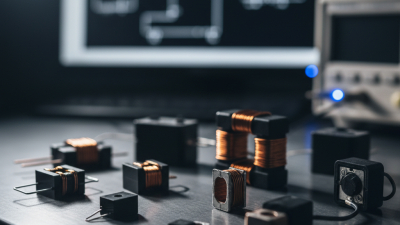
Audio Inductors play a vital role insound systems, enhancing audio quality and performance. They filter signals and ensure clarity, crucial in both professional and home setups. By managing current flow, they help reduce distortion and improve overall sound fidelity. Understanding their function allows for better choices in system design.
The effectiveness of Audio Inductors directly impacts how well sound is reproduced. However, selecting the right type can be challenging. Not all inductors are equal; variations exist in construction and materials. Some may experienceoverheating issues, while others might lack the desired frequency response. These inconsistencies remind us to evaluate options thoroughly.
As a user, recognizing the importance of Audio Transformers alongside inductors can enhance your system’s performance. It’s essential to stay informed and seek expert advice when needed. Knowledge of these components leads to better auditory experiences. Being critical of your choices can help refine your understanding and application of audio technologies.
In various industries, Audio Inductors play a crucial role in enhancing sound quality. They are essential in applications like speakers, amplifiers, and audio processing devices. Recent industry reports indicate that the demand for Audio Inductors is expected to grow by 6.5% annually. This growth is driven by advancements in audio technology and rising consumer expectations.
One common application involves audio amplifiers, where inductors manage power supply stability. They help reduce noise, allowing for clearer sound. Low DC resistance Rod Chokes are particularly valued for their efficiency in these settings. These components minimize energy loss, which is vital for high-performance systems. Reports suggest these inductors also contribute to extending thelifespan of audio equipment.
When selecting an inductor, consider the application environment. Factors like temperature and humidity can affect performance. Ensure that the chosen inductor meets the specifications required for your device. Regular testing and assessment can help identify any performance drops too. Always stay updated on industry trends to make informed decisions about your audio components.
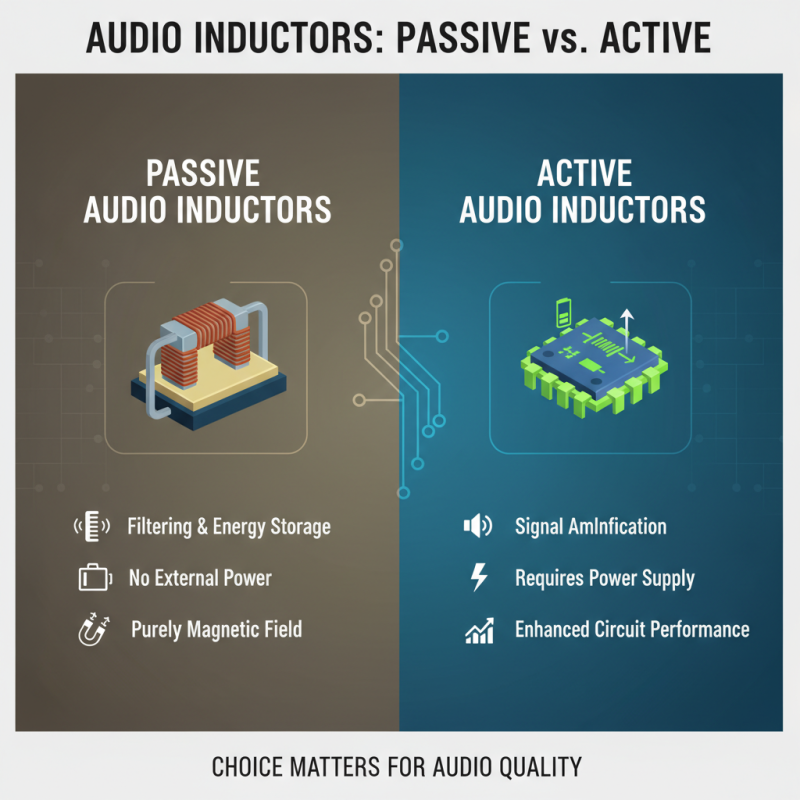
Passive and active Audio Inductors serve distinct roles in audio applications. Passive inductors, traditionally used for filtering and energy storage, lack a power supply. They function based on energy in the magnetic field. Active inductors, on the other hand, incorporate active components. They can amplify signals and improve circuit performance. This dynamic can greatly influence audio quality, making the choice critical for designers.
Industry reports indicate that 60% of audio engineers prefer passive inductors for their reliability and simplicity. Fewer components often equate to fewer potential points of failure. However, recent studies show a significant rise in the use of active inductors in high-fidelity audio equipment. Their superior performance in signal processing appeals to professionals seeking advanced solutions.
Tips: Consider the application before choosing between these options. If energy efficiency is a priority, look for a Rod choke inductor for DC-DC converter designs. This specific type excels at managing high-frequency operations with minimal losses. Additionally, always verify the inductor's Q factor, as a higher value can significantly improve circuit efficiency. Reflecting on these details can lead to better audio performance overall.
When evaluating Audio Inductors, specifications play a crucial role in performance. Key factors include resistance, inductance value, and core material. The core material influences both efficiency and sound quality. For instance,Ferrite rod choke inductors are popular for their high-frequency application. They minimize losses, ensuring a cleaner audio signal.
Noise reduction is another vital consideration. Inductors with lower parasitic capacitance will help reduce unwanted noise. Look for inductors designed with shielding to enhance performance. Conducting a listening test can reveal differences in audio clarity based on inductor choice.
Balancing cost and quality is essential. Higher-priced inductors may offer superior performance. However, less expensive options can still perform well in the right setup. Prioritize your specific audio needs when making a selection. Test different options to find what works best for your audio system.
When selecting Audio Inductors, buyers often face the choice betweenSMD (Surface-Mount Device) and through-hole types. SMD inductors are compact, taking up less board space. This is crucial for modern designs where space is at a premium. Their flat profiles allow for easier integration into multi-layer PCBs. However, SMD inductors can be more susceptible to thermal and mechanical stress during manufacturing.
On the other hand, through-hole inductors offer distinct advantages. They provide stronger connections, which can enhance reliability in demanding environments. Their larger size typically accommodates higher power ratings. Yet, they require more space and may not fit well in miniaturized devices. Each type has its pros and cons.
Choosing between them depends on the specific application requirements. Designers need to consider factors like space constraints, thermal management, and performance criteria. An informed decision will lead to better product outcomes, yet it also invites reflection on potential compromises. Ultimately, understanding both types is key for effective audio inductor selection.
When selecting audio inductors, performance and cost are key factors. Different types of inductors have varying characteristics that can impact audio quality and overall system function. Competent buyers should consider air-core, ferrite-core, and toroidal inductors based on specific needs. Air-core inductors provide better sound quality, but they are often more expensive. Ferrite-core options balance price and performance, making them a solid choice for many applications.
Tips: When assessing cost, don't just focus on initial prices. Long-term performance can influence overall value. Keep in mind, cheaper inductors might compromise sound quality. Research specifications and consult user reviews to gauge performance.
In audio equipment, a mismatch between inductor types and usage can lead to subpar results. The inductance value directly influences sound clarity. It's crucial to choose an inductor that aligns well with your audio application. While it may seem daunting, tracking industry trends can help inform your choices. Identifying trusted sources can also enhance decision-making.
The audio inductor market is evolving rapidly, driven by advancing technologies. Reports indicate a projected growth of 6.5% CAGR from 2023 to 2029 in the global audio inductor segment. This escalation is attributed to increasing demand for high-fidelity sound systems, particularly in consumer electronics and automotive applications. The design of inductors is shifting towards enhanced performance and miniaturization to fit compact devices.
One key trend is the development of better materials. Researchers are exploring ferrite core inductors and high-temperature superconductors. These materials improve efficiency and reduce energy losses. Another area of innovation is wireless technology integration. Inductors that seamlessly communicate with other components enhance the overall audio experience. This could lead to a paradigm shift in how audio systems operate.
However, challenges remain. The increasing complexity of designs could lead to higher manufacturing costs. Moreover, not all manufacturers have the capacity to implement advanced technologies. This disparity might create gaps in product availability for global buyers. As the market expands, addressing these hurdles is essential. Continuous innovation in design and production processes should drive the future of audio inductors.
: The main types are SMD and through-hole inductors.
SMD inductors are compact and take up less board space.
They can be more susceptible to thermal and mechanical stress during manufacturing.
They provide stronger connections and better reliability in demanding environments.
Ferrite-core inductors balance price and performance effectively.
Air-core inductors provide better sound quality but are often more costly.
Consider space constraints, thermal management, and performance needs.
Evaluate long-term performance and overall sound quality, not just initial price.
Mismatches can lead to subpar sound quality and performance issues.
Track industry trends and seek trusted sources for reliable information.
Audio inductors play a crucial role in sound systems, serving as key components that help filter and manage audio signals. This article explores various aspects of audio inductors, including their common applications in the industry and the distinctions between passive and active types. Readers will learn how to evaluate audio inductor specifications to ensure optimal performance, as well as the differences between surface-mount and through-hole varieties.
Furthermore, the article presents a comparative analysis of the top 10 audio inductor types based on performance and cost-effectiveness, shedding light on the latest trends in audio inductor design and technology. By understanding these elements, global buyers can make informed decisions when selecting audio inductors for their specific needs, ensuring enhanced audio quality and system efficiency.